
Choosing the right tires is one of the most effective ways to upgrade the performance, durability, and uptime of your Bobcat S-Series skid steer loader—especially when operating in demanding environments such as demolition, sweeping, and waste handling.
In harsh job sites filled with debris, sharp objects, and uneven surfaces, solid tires offer a clear advantage over pneumatic tires. This guide provides a practical tire selection reference, showing which solid tire sizes fit specific Bobcat S-Series models, and explains why solid tires are the preferred choice for tough applications.
1. Solid Tires: Built for Harsh Applications
Bobcat skid steer loaders are widely used in:
-
Building demolition
-
Industrial sweeping
-
Waste and recycling operations
These applications expose tires to nails, rebar, glass, concrete debris, and constant turning stress. Solid tires are designed specifically to handle these conditions.
Key Advantages of Solid Tires
-
Puncture-proof performance – No flats, no downtime
-
Zero air pressure maintenance – No inflation checks required
-
Superior wear resistance – Ideal for hard surfaces and abrasive materials
-
Stable load distribution – Improved machine balance and control
-
Longer service life – Reduced replacement frequency and operating cost
2. Bobcat Solid Tire Size & Model Compatibility
Below is a practical reference chart showing common solid tire sizes and their compatible Bobcat S-Series loaders.
Tire Size Compatibility Chart
| Solid Tire Size | Compatible Bobcat Models | Typical Application Notes |
|---|---|---|
| 570 × 160 Solid Tire | S70 | Compact loader, ideal for tight spaces and light-duty demolition |
| 30 × 10-16 (10-16.5) | S16, S18, S160, S180, S130, S450, S510, S530, S550, S570 | Most widely used size; excellent balance of durability and maneuverability |
| 31 × 10-16 (10-16.5) | S16, S18, S160, S180, S130, S450, S510, S530, S550, S570 | Slightly wider footprint for improved load stability |
| 33 × 12-20 (12-16.5) | S300, S330, S590, S630, S650, S750, S770 | Heavy-duty option for mid- to large-frame loaders and high load cycles |

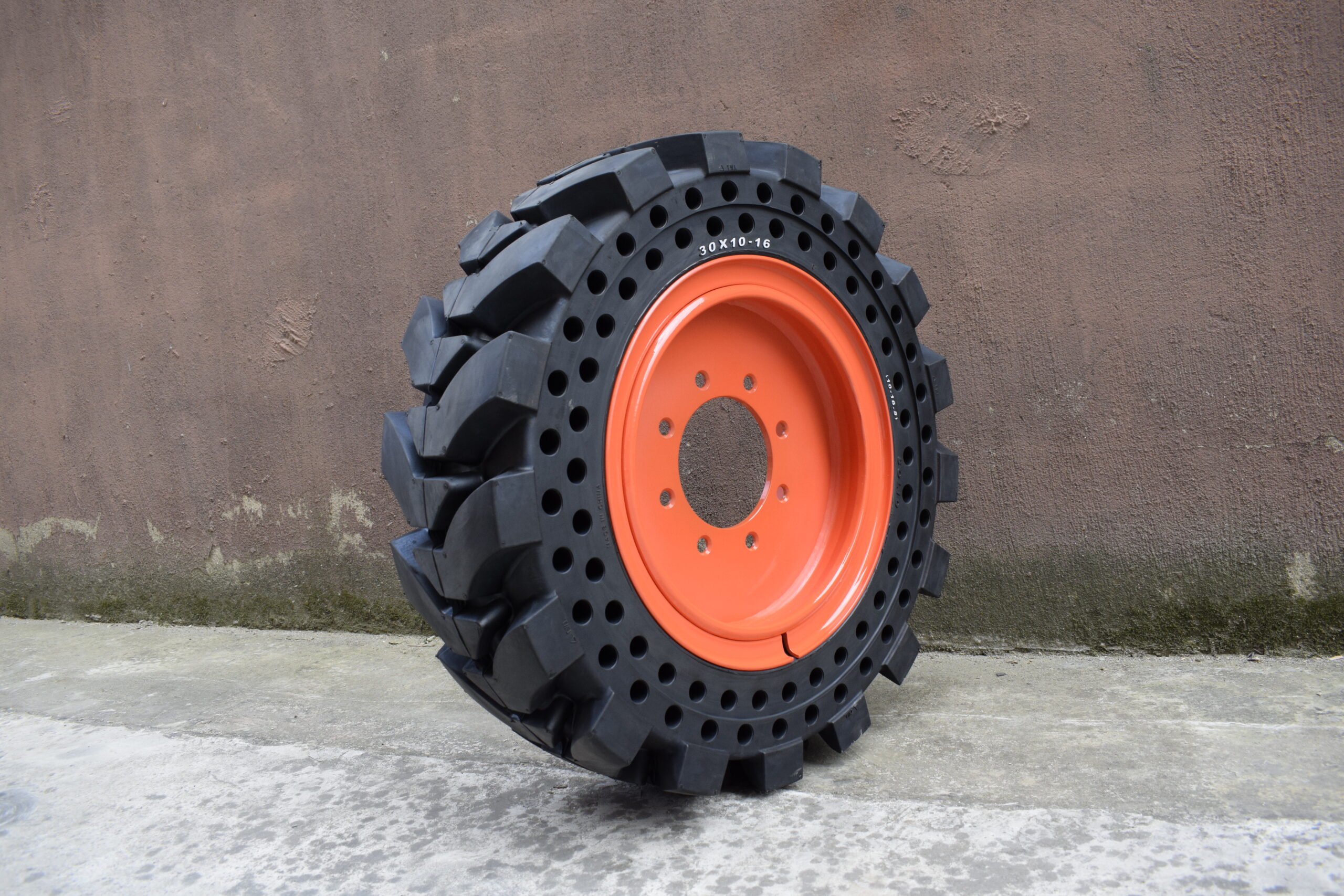
S16, S18, S160, S180, S130, S450, S510, S530, S550, and S570.
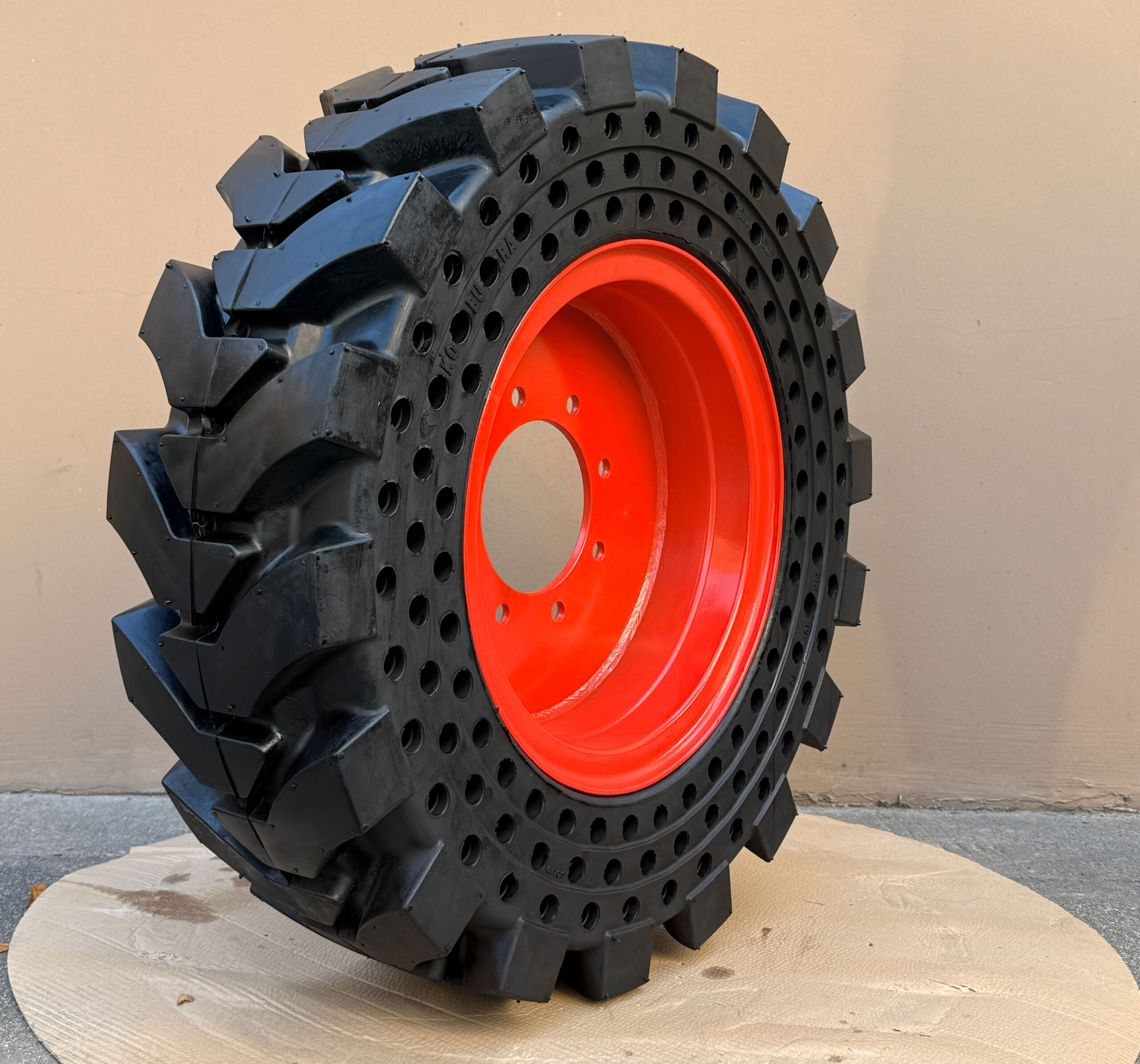
S16, S18, S160, S180, S130, S450, S510, S530, S550, and S570.
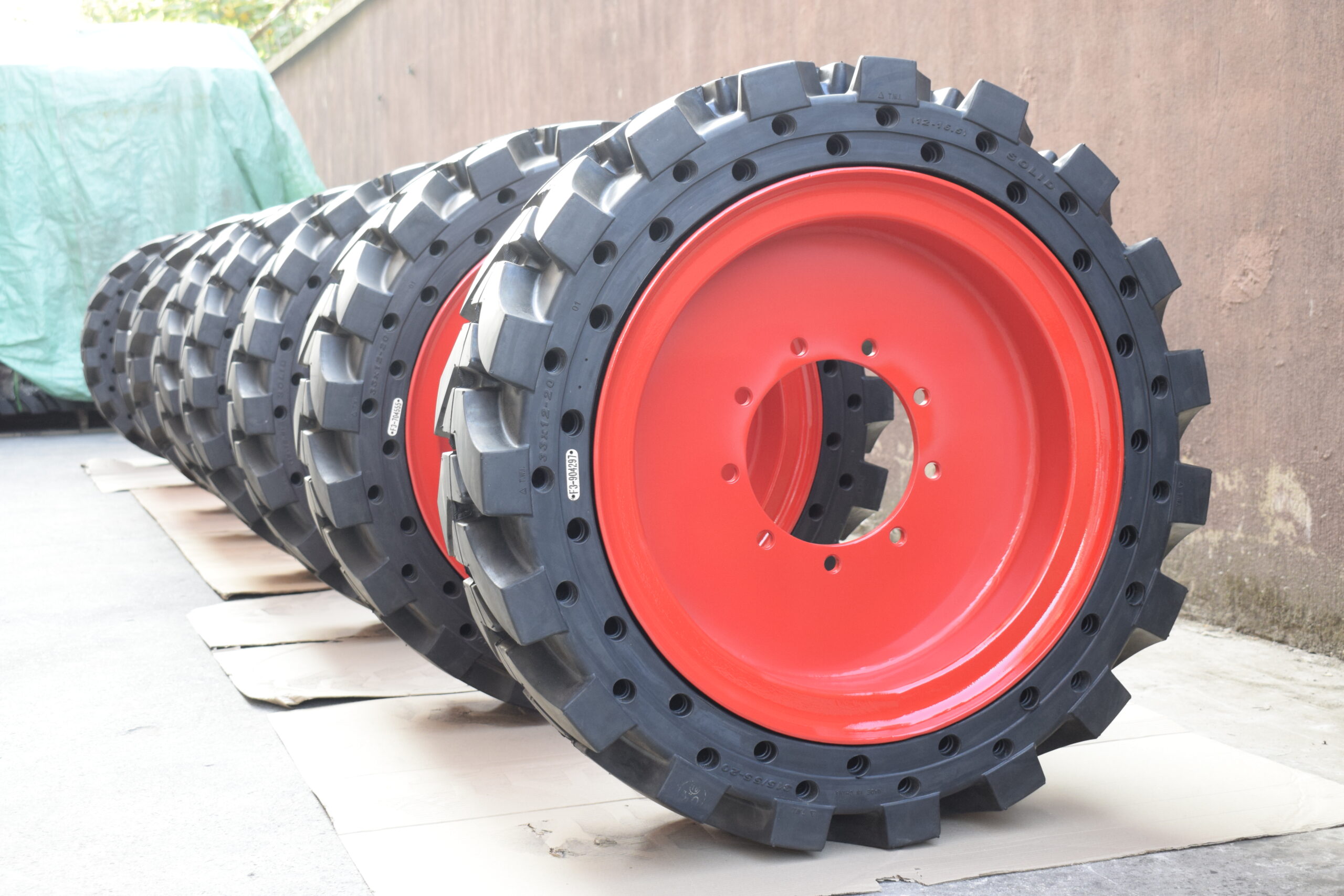
S300, S330, S590, S630, S650, S750, S770
3. How to Choose the Right Solid Tire for Your Loader
Match the Tire to the Machine
Always select a tire size that matches your Bobcat model’s design parameters. Oversized or undersized tires can affect ground clearance, driveline stress, and machine stability.
Consider Your Primary Jobsite Conditions
-
Demolition & recycling yards → Wider and larger tires (31×10-16 or 33×12-20)
-
Sweeping & indoor cleanup → Standard sizes (30×10-16) with stable rolling resistance
-
Compact or indoor work → Smaller profiles such as 570×160 for better maneuverability
Installation Matters
Solid tires should be installed by experienced technicians using proper press equipment to ensure correct fitment with the rim and hub.
4. Performance Upgrade That Pays Off
Upgrading your Bobcat S-Series loader with the correct solid tires is not just a replacement decision—it’s a performance upgrade. With improved durability, reduced downtime, and consistent traction, solid tires help your loader perform reliably day after day in the toughest environments.
Final Thoughts
Whether you operate a compact Bobcat S70 or a high-capacity S770, selecting the correct solid tire size ensures maximum uptime and long-term efficiency. Use this guide as a reference, and always consider your specific workload, surface conditions, and machine configuration when making a final choice.
If you need assistance confirming fitment or selecting the best solid tire option for your application, professional guidance is always recommended.